
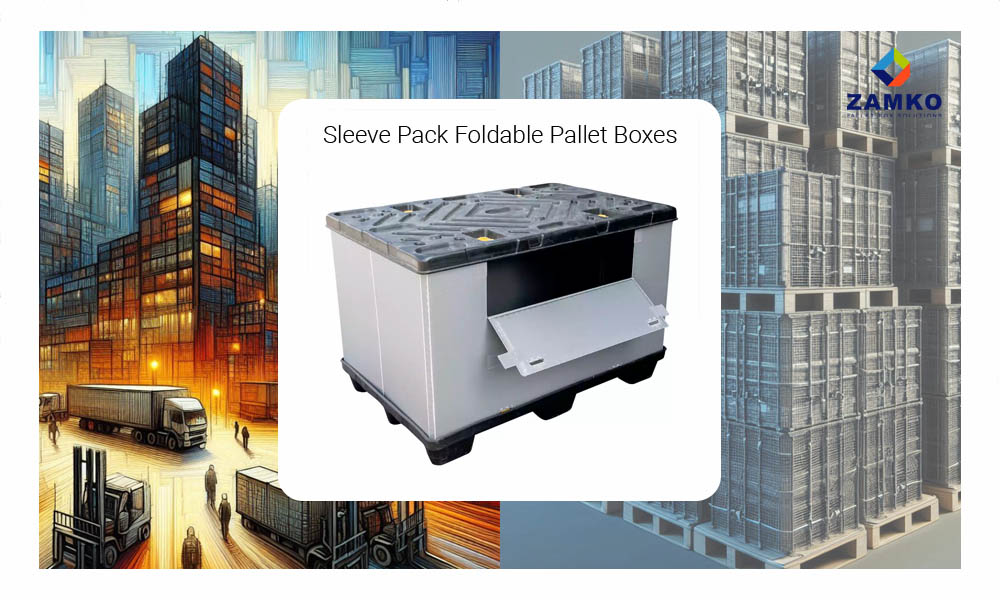
Die tatsächlichen Kosten eines Sleeve Packs sind nicht der Kaufpreis
Die meisten Einkäufer beginnen mit der Frage: Was kostet ein Sleeve Pack? Das ist die falsche Frage. Dieser Artikel unterstützt den umfassenden Sleeve Pack Einkaufsleitfaden und konzentriert sich nur auf Kosten, Total Cost of Ownership und Beschaffungswirtschaftlichkeit.
Ein Sleeve Pack für EUR 100, der über fünf Jahre 130 Umläufe erreicht, hat Abschreibungskosten von EUR 0,77 pro Umlauf. Eine Einweg-Karton-Palettenbox für EUR 14, die einmal verwendet wird, kostet EUR 14,00 pro Umlauf - allein bei der Abschreibung mehr als 18-mal so viel.
Aber Abschreibung ist nur ein Teil der Rechnung. Wenn Rücktransport, Handling, Schäden, Reinigung und Entsorgung hinzukommen, liegen die vollständigen Kosten pro Umlauf bei Einwegkarton bei EUR 16,68 gegenüber EUR 4,93 für einen Sleeve Pack - eine Einsparung von EUR 11,75 pro Umlauf, bei jedem Umlauf, über die Lebensdauer der Flotte.
Dieser Leitfaden liefert das Rechenmodell für Ihre eigenen Zahlen und erklärt, warum eine reine Optimierung auf den niedrigsten Kaufpreis in einem geschlossenen Mehrwegkreislauf zur höchsten Gesamtkostenposition führen kann.
Warum Beschaffungsteams häufig die falsche Verpackung wählen
Viele Verpackungsentscheidungen beginnen mit einem Angebotsvergleich. Ein Einkäufer erhält mehrere Preise und vergleicht den Stückpreis jeder Verpackungslösung. Das ist nachvollziehbar, ignoriert aber häufig die Kosten, die nach der Anlieferung der Verpackung entstehen.
In vielen Lieferketten ist der Kaufpreis nur ein Bruchteil der Gesamtkosten. Rücktransport, Handling, Reinigung, Reparaturen, Lagerfläche, Entsorgung und Produktschäden können die Anfangsinvestition über die Lebensdauer eines Verpackungssystems deutlich übersteigen.
Bei Einwegverpackungen liegen Kaufpreis und Lebenszykluskosten oft nahe beieinander, weil die Verpackung nur einmal genutzt wird. Bei Mehrwegverpackungen ist der Zusammenhang anders. Ein höherer Kaufpreis kann zu niedrigeren Kosten pro Sendung führen, wenn die Verpackung länger hält, effizienter für den Rücktransport zusammenklappt oder Handling- und Schadenskosten reduziert.
Deshalb vergleichen erfahrene Beschaffungsteams Verpackungssysteme zunehmend anhand der Kosten pro Umlauf statt nur anhand des Stückpreises.
Ein praktischer Bewertungsrahmen für die Beschaffung
Beim Vergleich von Mehrwegverpackungssystemen sollten Beschaffungsteams mehrere Kostentreiber gleichzeitig bewerten, statt sich ausschließlich auf den Anschaffungspreis zu konzentrieren.
Die wichtigsten Faktoren sind typischerweise:
- Kosten pro Versandumlauf
- Erwartete Nutzungsdauer
- Effizienz im Rücktransport
- Produktschutzleistung
- Reparierbarkeit und Wartungsanforderungen
Diese Faktoren beeinflussen sich gegenseitig. Ein Verpackungssystem mit höherem Kaufpreis kann niedrigere Lebenszykluskosten erreichen, wenn es länger hält, leer effizienter zurückgeführt wird, Produktschäden reduziert oder im Betrieb weniger Ersatzbeschaffungen verursacht.
Darum bewerten erfahrene Einkäufer Verpackungen mit Total Cost of Ownership statt nur mit Stückpreislogik.
Gesamtkosten pro Umlauf: Sleeve Pack versus Einwegkarton
Basierend auf einem realistischen europäischen geschlossenen Mehrwegscenario: zweiwöchentliche Sendungen (26 Umläufe/Jahr), EUR 100 Sleeve Pack, fünf Jahre Nutzungsdauer (130 Umläufe gesamt), 400 km Rückführkreislauf, EUR 350/Lkw FTL-Tarif und EUR 35/h Lagerarbeitskosten.
Kostenelement | Sleeve Pack / Umlauf | Einwegkarton / Umlauf | Berechnungsbasis |
Abschreibung | 0,77 EUR | 14,00 € | Sleeve Pack: EUR 100 / 130 Zyklen. Karton: EUR 14 pro Einheit, 1 Zyklus. |
Ausgangstransport | EUR 0,40 | EUR 0,40 | Gleich – gleicher beladener LKW und gleicher Abdruck. |
Rücktransport (leer) | 1,35 EUR | EUR 0,00 | Sleeve Pack: 260 zusammengelegte Einheiten pro Planen-LKW zu 350 EUR/LKW. Karton: vor Ort entsorgt. |
Handling und Arbeit | EUR 1,75 | 0,88 € | Sleeveverpackung: 3 Min. zu 35 €/Stunde. Karton: 1,5 Min. zu 35 €/Stunde. |
Reinigung | EUR 0,16 | EUR 0,00 | Druckreinigung alle 50 Zyklen zu 8 € pro Reinigung. |
Schäden und Reklamationen | 0,15 € | 0,80 EUR | Geschlossene Wände reduzieren viele Handhabungs- und Transportschäden. |
Reparatur / Komponentenersatz | EUR 0,35 | EUR 0,00 | Bei ca. 10% der Flotte müssen pro Jahr Hülsen oder Deckel ausgetauscht werden, zu einem Durchschnittspreis von 35 EUR pro Teil. |
Entsorgung / Abfall | EUR 0,00 | EUR 0,60 | Kartonagenannahme, Ballenpressen oder Deponie für ca. 0,60 EUR/Einheit. |
GESAMTKOSTEN pro Umlauf | 4,93 EUR | 16,68 € | Einsparung: 11,75 € pro Zyklus. |
Jährliche Kosten pro Sleeve Pack (26 Umläufe) | EUR 128.18 | EUR 433.68 | Jährliche Einsparung pro Sleeve Pack: 305,50 EUR. |
Quellenhinweis: Die Frachtannahmen basieren auf europäischer FTL-Benchmark-Logik. Ein Arbeitskostensatz von EUR 35/h entspricht typischen europäischen industriellen Lagerkosten. Passen Sie alle Werte an Ihre eigene Route, Lohnkosten, Beladungsdichte und Schadensquote an.
Wann Total Cost of Ownership besonders wichtig ist
Die Bedeutung der Total-Cost-of-Ownership-Analyse hängt stark davon ab, wie oft die Verpackung wiederverwendet wird.
Logistikszenario | Bedeutung der TCO-Analyse |
Einmalige Exportsendung | Niedrig |
Gelegentliche Sendungen (1-4 Umläufe/Jahr) | Mittel |
Monatliche geschlossene Mehrwegtransporte | Hoch |
Wöchentliche geschlossene Mehrwegtransporte | Sehr hoch |
Tägliche Shuttle-Verkehre zwischen Werken | Kritisch |
Ein Sleeve Pack, der sechsmal pro Jahr eingesetzt wird, verhält sich wirtschaftlich völlig anders als ein Sleeve Pack, der zweiundfünfzigmal pro Jahr eingesetzt wird. Der Anschaffungspreis bleibt identisch, aber die Kosten pro Versandumlauf unterscheiden sich deutlich, weil die Investition über eine viel größere Anzahl von Nutzungen verteilt wird.
Mit steigender Umlauffrequenz werden Faltverhältnis, Reparierbarkeit, Nutzungsdauer und Effizienz im Rücktransport immer wichtiger. In vielen hochfrequenten Logistikkreisläufen haben diese Faktoren einen größeren Einfluss auf die Gesamtkosten als der ursprüngliche Kaufpreis.
Amortisation und 5-Jahres-Rendite
Bei EUR 100 Kaufpreis und einer jährlichen Einsparung von EUR 305,50 pro Sleeve Pack beträgt die Amortisationszeit 3,9 Monate. So lange dauert es, bis jeder Sleeve Pack mehr einspart, als er in der Anschaffung gekostet hat.
Über fünf Jahre und 130 Umläufe beträgt der Nettoertrag nach Abzug des Kaufpreises EUR 1.427,50 pro Sleeve Pack - eine Rendite von 1.428% auf die Investition.
Die Umlauffrequenz verändert die jährliche Einsparung, aber nicht die Einsparung pro Umlauf von EUR 11,75:
Versandfrequenz | Jährliche Einsparung pro Sleevepack System | Amortisationszeit |
Monatlich (13 Umläufe/Jahr) | EUR 153 | 7,9 Monate |
Zweiwöchentlich (26 Umläufe/Jahr) | EUR 306 | 3,9 Monate |
Wöchentlich (52 Umläufe/Jahr) | EUR 611 | 2,0 Monate |
Täglich (260 Umläufe/Jahr) | EUR 3,055 | ca. 9 Tage |
Für den breiteren Beschaffungskontext über mehrere Mehrwegverpackungssysteme hinweg siehe den Einkaufsleitfaden für Mehrwegverpackung.
Wichtige Strategien zur Senkung der gesamten Sleeve Pack Kosten
Sobald Sie akzeptieren, dass der Kaufpreis nur ein Kostenbestandteil ist, werden die echten Optimierungshebel klarer:
- Pro Vollcontainer oder Voll-Lkw einkaufen - größere Mengen reduzieren den Stückpreis häufig um 10-20%.
- Abmessungen auf Ware, Regale und Transportmuster abstimmen - falsche Größen erzeugen Leerraum und unnötige Handlingkosten.
- Nur notwendige Optionen auswählen - Verschlüsse, Sonderfarben und Bedruckung erhöhen die Kosten.
- Die richtige Tragfähigkeit wählen - Überdimensionierung erhöht Materialkosten ohne entsprechenden operativen Nutzen.
- Geprüfte gebrauchte Sleeve Packs prüfen, wenn die Anwendung dafür geeignet ist - gute Gebrauchtware kann die Anschaffungskosten deutlich senken.
Wie die Verpackungsspezifikation die Gesamtkosten beeinflusst
Die Auswahl der richtigen Sleeve Pack Spezifikation ist nicht nur eine technische Entscheidung. Sie beeinflusst auch die Lebenszykluskosten.
Ein häufiger Fehler ist die Über-Spezifikation. Höhere Tragfähigkeiten, Zusatzoptionen, Sonderfarben, spezielle Verschlusssysteme und Premium-Materialien erhöhen den Anschaffungspreis. In vielen Betrieben liefern diese Zusatzfunktionen nur begrenzten praktischen Mehrwert.
Beschaffungsteams sollten sich auf Anforderungen konzentrieren, die die operative Leistung tatsächlich beeinflussen:
- Tragfähigkeit
- Handlingmethode
- Lager- und Regalbedingungen
- Effizienz im Rücktransport
- Erwartete Nutzungsdauer
Das Ziel ist nicht, den technisch anspruchsvollsten Sleeve Pack zu kaufen, sondern die Spezifikation zu identifizieren, die über die erwartete Anzahl von Versandumlaufen die niedrigsten Gesamtkosten liefert.
Wirtschaftliche und ökologische Vorteile
Mehrwegverpackungen wie Sleeve Pack Boxen können sowohl wirtschaftliche als auch ökologische Leistung liefern, wenn der Logistikkreislauf geeignet ist.
- Hochwertige Sleeve Packs können über viele Jahre und zahlreiche Umläufe im Einsatz bleiben. Dadurch sinken die Abschreibungskosten pro Sendung.
- Jeder Mehrwegbehälter kann über seine Nutzungsdauer eine große Zahl von Einwegboxen ersetzen.
- Zirkuläre Verpackungssysteme werden für ESG- und CSRD-Berichterstattung zunehmend relevant, wenn Umlaufdaten, Reparaturhistorie und End-of-Life-Abwicklung dokumentiert werden.
Für die ökologische Perspektive siehe die Lebenszyklusanalyse von Sleeve Packs..
Häufige Beschaffungsfehler beim Vergleich von Verpackungskosten
Viele Verpackungsentscheidungen werden unter Zeitdruck getroffen. Deshalb konzentrieren sich Beschaffungsteams häufig auf die Zahlen, die am einfachsten vergleichbar sind: Lieferantenangebote und Stückpreise. Das ist nachvollziehbar, kann aber zu falschen Schlussfolgerungen führen.
Der häufigste Fehler ist der Vergleich von Kaufpreisen ohne Vergleich der erwarteten Kosten pro Versandumlauf. Ein Sleeve Pack für EUR 100 kann zunächst teuer wirken im Vergleich zu einer Einweglösung für EUR 14. Wenn der Sleeve Pack aber über seine Nutzungsdauer mehr als hundert Umläufe erreicht, wird der Anschaffungspreis nur zu einem kleinen Bestandteil der Gesamtkosten.
Ein weiterer häufiger Fehler ist das Ignorieren der Rücktransportwirtschaftlichkeit. Die Möglichkeit, Sleeve Packs zusammenzuklappen, reduziert das leere Transportvolumen erheblich. Das kann einen größeren Einfluss auf die Lebenszykluskosten haben als der ursprüngliche Kaufpreis.
Beschaffungsteams spezifizieren Verpackungen außerdem häufig zu hoch. Höhere Tragfähigkeiten, Zusatzoptionen, Sonderfarben und Spezialfunktionen erhöhen die Anschaffungskosten, ohne zwingend die operative Leistung zu verbessern.
Versteckte Kostentreiber, die oft nicht berücksichtigt werden
Die meisten Verpackungskostenrechnungen enthalten Kaufpreis und Transportkosten. Deutlich weniger berücksichtigen die sekundären Kosten, die sich über die Lebensdauer eines Verpackungssystems aufsummieren.
Kostentreiber | In Kostenrechnungen häufig berücksichtigt? |
Anschaffungspreis | Meistens |
Ausgangstransport | Meistens |
Beim Rücktransport | Manchmal |
Schäden am Produkt | Manchmal |
Lagerhandling | Selten |
Reinigung | Selten |
Reparaturen | Selten |
Entsorgungskosten | Selten |
Nutzung von Lagerfläche | Selten |
Einzeln betrachtet erscheinen diese Kostenpositionen oft klein. Über Dutzende von Umläufen können sie jedoch die Wirtschaftlichkeit eines Verpackungssystems deutlich beeinflussen.
Für eine breitere Erklärung der Logistikkostenreduktion durch Mehrwegverpackung siehe wie Mehrweg-Transportverpackungen die Logistikkosten senken..
Warum Kostenmodelle den Wert von Mehrwegsystemen oft unterschätzen
Viele Verpackungsbewertungen basieren auf jährlichen Einkaufsbudgets. Dadurch rückt automatisch der Anschaffungspreis in den Vordergrund, weil er sofort sichtbar ist.
Mehrwegverpackungen verhalten sich anders. Die Investition fällt zu Beginn an, während viele Vorteile erst über mehrere Jahre Betrieb entstehen. Traditionelle Kostenmodelle unterschätzen deshalb häufig den wirtschaftlichen Wert von Mehrwegsystemen.
Niedrigere Schadensquoten können Produktverluste reduzieren. Bessere Faltverhältnisse können Rücktransportkosten senken. Längere Nutzungsdauer kann die Anschaffungskosten über Hunderte von Versandumlaufen verteilen. Diese Vorteile erscheinen selten im ursprünglichen Lieferantenangebot, können aber die Gesamtkosten erheblich beeinflussen.
Das bedeutet nicht, dass Mehrwegverpackung immer die richtige Wahl ist. Es bedeutet, dass Bewertungen sowohl Anschaffungskosten als auch Lebenszyklusleistung berücksichtigen sollten, bevor Alternativen verglichen werden.
Beispiel: Bewertung eines typischen Automotive-Logistikkreislaufs
Betrachten Sie einen Automobilzulieferer, der Komponenten sechsundzwanzigmal pro Jahr zwischen zwei Produktionsstandorten transportiert.
Der Lieferant vergleicht einen Sleeve Pack für EUR 100 mit einer Einweg-Kartonalternative für EUR 14 pro Sendung. Auf den ersten Blick wirkt die Kartonlösung günstiger. Nach Einbeziehung von Lebenszykluskosten, Rücktransporteffizienz, Handling, Schadensreduktion und Nutzungsdauer ändern sich die Zahlen deutlich.
Mit den Annahmen in diesem Leitfaden erzeugt der Sleeve Pack etwa EUR 306 jährliche Einsparung und erreicht die Amortisation in weniger als vier Monaten.
Für ein reales Logistikbeispiel siehe die Praxisbeispiel eines bulgarischen Automobilzulieferers.
Warum verschiedene Branchen zu unterschiedlichen Ergebnissen kommen
Verpackungswirtschaftlichkeit ist selten universell. Dasselbe Verpackungssystem kann je nach Lieferkettencharakteristik sehr unterschiedliche Ergebnisse liefern.
In der Automotive-Logistik macht hohe Versandfrequenz die Lebenszykluskosten häufig zum dominierenden Entscheidungsfaktor. In der Getränkeverpackung können Transportdichte und Lagereffizienz stärker wiegen. Bei PET-Preforms und Verschlusskappen erzeugen leichte, aber volumenstarke Produkte einen starken Fokus auf Kubikausnutzung und Rücktransporteffizienz.
Branchen mit schweren Industriekomponenten legen dagegen oft mehr Wert auf Tragfähigkeit und Robustheit als auf Faltleistung.
Deshalb können zwei Unternehmen, die denselben Sleeve Pack bewerten, zu unterschiedlichen Ergebnissen kommen. Die richtige Verpackungsentscheidung hängt nicht nur vom Behälter selbst ab, sondern von Versandfrequenz, Transportdistanz, Rückführlogistik, Handlinganforderungen und der Art des transportierten Produkts.
Wann Sleeve Packs nicht die beste Wahl sind
Sleeve Packs können in vielen geschlossenen Lieferketten erhebliche Einsparungen liefern, sind aber nicht für jede Anwendung die beste Lösung.
Situation | Prüfenswerte Alternative |
Einweg-Exportsendungen | Karton-Palettenboxen |
Sehr niedrige Versandfrequenz | Einwegverpackung |
Schwere Produkte oder hohe Punktlasten | Drahtgitterboxen / |
Kurzfristige Projekte | Miete oder kurzfristige Bereitstellung |
Anwendungen mit begrenztem Schutzbedarf | Einfachere Transportverpackung |
Produkte mit sehr hohem Gewicht oder konzentrierten Punktlasten können besser zu Drahtgitterboxen bzw. Mesh Wire Pallet Cagespassen, weil diese für anspruchsvolle industrielle Handlingumgebungen entwickelt wurden.
Das Ziel sollte nie sein, Sleeve Packs automatisch auszuwählen. Ziel ist es, das Verpackungssystem zu identifizieren, das für den konkreten Logistikprozess die niedrigsten Gesamtkosten und die beste operative Passung liefert.
Was erfahrene Beschaffungsteams mit der Zeit lernen
Unternehmen, die neu mit Mehrwegverpackungen arbeiten, konzentrieren sich häufig auf Anschaffungskosten. Das ist verständlich, weil der Kaufpreis am einfachsten zwischen Lieferanten vergleichbar ist.
Organisationen, die Mehrwegverpackungssysteme über mehrere Jahre betrieben haben, bewerten Verpackungen jedoch meist anders. Der Fokus verschiebt sich vom Kaufpreis zu Kosten pro Umlauf, Rücktransporteffizienz, Nutzungsdauer, Reparierbarkeit und operativer Leistung.
In vielen ausgereiften Mehrwegverpackungsprozessen ist der Unterschied zwischen einem Sleeve Pack für EUR 90 und einem für EUR 110 relativ klein im Vergleich zum langfristigen Einfluss von Transportkosten, Handlingeffizienz, Schadensreduktion und Lebensdauer.
Erfahrene Beschaffungsteams stellen daher andere Fragen:
- Wie viele Umläufe erreicht die Verpackung realistisch?
- Wie hoch sind die erwarteten Kosten pro Umlauf?
- Wie effizient kann leere Verpackung zurückgeführt werden?
- Wie einfach lassen sich beschädigte Komponenten reparieren oder ersetzen?
- Wie beeinflusst die Verpackung Lager- und Transportprozesse?
Diese Perspektivverschiebung erklärt, warum Unternehmen mit hochfrequenten Logistikkreisläufen Verpackungssysteme eher mit Lebenszyklusökonomie bewerten als nur mit Anschaffungskosten.
Warum Kosten pro Umlauf wichtiger sind als Stückkosten
Ein häufiger Fehler bei der Bewertung von Verpackungen ist der Vergleich von Stückpreisen ohne zu berücksichtigen, wie oft die Verpackung eingesetzt wird.
Im Beispiel dieses Leitfadens verursacht ein Sleeve Pack für EUR 100, der 130 Versandumlaufe erreicht, Anschaffungskosten von etwa EUR 0,77 pro Umlauf.
Eine Karton-Palettenbox für EUR 14, die einmal verwendet wird, verursacht dagegen Anschaffungskosten von EUR 14,00 pro Umlauf.
Obwohl der Sleeve Pack beim Kauf teurer wirkt, verändert sich die Wirtschaftlichkeit deutlich, sobald die Kosten über die gesamte Nutzungsdauer der Verpackung verteilt werden.
Das zeigt, warum erfahrene Beschaffungsteams Lebenszyklusökonomie statt reinen Kaufpreis betrachten. In den meisten geschlossenen Logistiksystemen ist der relevante Vergleich nicht der Stückpreis, sondern die Kosten pro abgeschlossenem Versandumlauf.
Weiterführende Quellen
Für einen umfassenderen Überblick über Sleeve-Pack-Verpackungen lesen Sie den Sleeve Pack Einkaufsleitfaden Leitfaden.
Einen Vergleich mit einem anderen Mehrwegverpackungsformat finden Sie unter sleeve packs versus foldable pallet boxes.
Einen Vergleich mit einem anderen Mehrwegverpackungsformat finden Sie unter automotive packaging case study.
Informationen zu den Auswirkungen auf die Umwelt finden Sie unter Lebenszyklusanalyse von Sleeve Packs..
Häufig gestellte Fragen (FAQs)
Ab welcher Umlauffrequenz werden Sleeve Packs wirtschaftlicher als Einwegverpackungen?
Es gibt keinen universellen Break-even-Punkt, weil Transportkosten, Handlingkosten, Verpackungspreise und Rückführlogistik variieren. In vielen geschlossenen Systemen werden Sleeve Packs mit steigender Versandfrequenz deutlich attraktiver.
Welche Kostenbestandteile werden bei Verpackungssystemen am häufigsten übersehen?
Unternehmen konzentrieren sich häufig auf Kaufpreis und Ausgangstransport und unterschätzen Rücktransport, Arbeitszeit im Handling, Produktschäden, Reparaturen, Reinigung, Entsorgungskosten und Lagereffizienz.
Sind Sleeve Packs immer die wirtschaftlichste Lösung?
Nein. Einwegverpackung kann für Exporttransporte ohne Rücklauf günstiger sein. Anwendungen mit sehr schweren Produkten können außerdem besser zu Drahtgitterboxen oder anderen Verpackungssystemen passen.
Wie beeinflusst Rücktransport die Gesamtkosten?
Rücktransport ist häufig eine der wichtigsten Variablen in der Wirtschaftlichkeit von Mehrwegverpackungen. Faltbare Verpackungssysteme reduzieren das leere Transportvolumen, ermöglichen mehr zurückgeführte Einheiten pro Lkw und senken dadurch die Kosten pro Umlauf.
Wie sollte die Beschaffung verschiedene Sleeve Pack Angebote vergleichen?
Der Kaufpreis sollte zusammen mit erwarteter Nutzungsdauer, Reparierbarkeit, Faltverhältnis, Handlingeffizienz und prognostizierten Kosten pro Versandumlauf bewertet werden. Ein reiner Preisvergleich liefert selten ein korrektes Bild der langfristigen Wirtschaftlichkeit.
Wie sollten Beschaffungsteams Lieferanten für Mehrwegverpackungen vergleichen?
Beschaffungsteams sollten Lieferanten nach Lebenszyklusleistung bewerten, nicht nur nach Stückpreis. Wichtige Kriterien sind erwartete Nutzungsdauer, Reparierbarkeit, Ersatzteilverfügbarkeit, Faltverhältnis, Transporteffizienz, Produktschutzleistung und prognostizierte Kosten pro Umlauf.
Comparing suppliers using these factors provides a more accurate picture of long-term economic performance than unit price comparisons alone.
Wann ist ein Miet- oder Kurzzeitmodell sinnvoller?
Miete oder kurzfristige Bereitstellung kann attraktiv sein, wenn Versandvolumen stark schwanken, Investitionsausgaben minimiert werden sollen oder Unternehmen Flottenmanagement und Wartung auslagern möchten.
Inhaltsverzeichnis
Umschalten auf