

+31 40 711 47 17

info@zamko.eu

Returnable Packaging Pool Size Calculator | ZAMKO
1
Verpakking selecteren
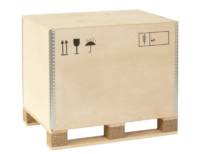
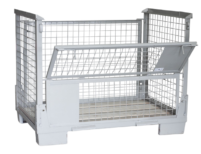
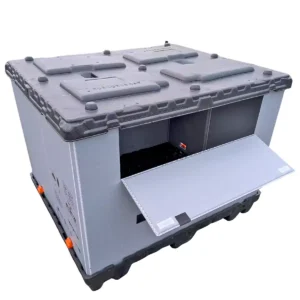
Kies voor sleeve packs, mesh cages of opvouwbare palletdozen.
2
Voer de basisbeginselen van de lus in
Voeg vrachtwagens per maand, afstand en klantverblijftijd toe.
3
Vergelijk zwembad & investering
Zie de vereiste hoeveelheid, investering en impact van de retentiestrategie.

Bereken de poolgrootte voor een gesloten retourverpakkingskringloop

Poolgroottecalculator voor herbruikbare verpakkingen: Schat het aantal herbruikbare verpakkingsunits dat nodig is om een gesloten logistieke flow draaiende te houden zonder tekorten. De berekening combineert het volume van de uitgaande zendingen, de transporttijd, de verblijftijd bij de klant, de wachttijd voor retourzendingen met volle vrachtwagen, operationele buffer en een reserve voor defecten of reparaties.

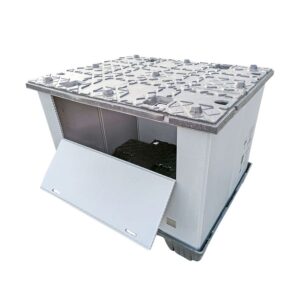
Deze tool is ontworpen voor een brede herbruikbare verpakkingspool, met onder andere sleeve packs, gaaspallets en vouwbare palletboxen als selecteerbare voorbeelden. Productspecifieke ROI- en terugverdienbeslissingen dienen te worden gecontroleerd met de specifieke calculators en producthandleidingen die hieronder zijn gelinkt.

1

Verpakkingssysteem

Sleeve Packs: Inkoopgids
Bekijk de overzicht van de hoesverpakking

Gebruikt voor de capaciteit van een beladen vrachtwagen en de retourcapaciteit van een lege vrachtwagen.

Bewerkbaar. Gebruik projectoffertes waar beschikbaar.

Standaardinstelling: 5%. Pas deze aan op basis van uw eigen reparatie- en retourgegevens.

Vrachtwagencapaciteitsaannames
64 beladen / uitgaande FTL · 400 leeg / retour FTL
2

Basisprincipes van terugkeerlussen

Alleen volledige uitgaande vrachtwagenladingen. Gebruik het dichtstbijzijnde realistische gemiddelde.

Automatisch ingevuld op basis van de footprint. Kan worden bewerkt.

Gebruikt om reistijd in dagen te schatten. Eén dag per max. 500 km.

Wordt automatisch bijgewerkt op basis van het veld "Afstand enkele reis", maar kan worden bewerkt.

Aantal dagen dat de verpakking bij de klant blijft voordat deze klaar is voor retourzending.

Kies afhankelijk van de complexiteit van jullie workflow.

Verpakkingsvraag
512 eenheden/maand · 6.144 cycli/jaar
Pool size is driven by how many units leave per day and how long they are unavailable before reuse. Longer dwell time, slower returns or waiting for a full return truck all increase the required packaging pool and investment.

Key formulas behind the pool size calculation

The practical logic is: shipment flow creates daily use; return cycle time keeps units unavailable; buffer and reserve convert the operational minimum into a safer buying quantity.

Daily packaging use = annual movements ÷ 365
Converts monthly truck flow into average daily demand.
Active circulation = daily use × return cycle time
Shows the minimum quantity physically tied up in the loop.
Pool size = active circulation + buffer + reserve
Adds practical safety stock for delays, peaks and defects.
Investment = pool size × unit price
Turns the required quantity into approximate CAPEX.
FTL wait = return truck capacity ÷ monthly flow × 30
Shows how long empties wait before a full return truck can leave.
Daily use
-
×
Cycle time
-
+
Buffer / reserve
-
Why FTL vs LTL matters:
Return wait = return load quantity ÷ monthly flow × 30
FTL wait is part of return cycle time. Waiting for a full return truck lowers freight cost per unit, but increases the pool and investment. Smaller LTL returns reduce pool size, usually with higher transport cost.
Daily use
Average number of packaging units leaving your site per day.
Cycle time
Days one unit is unavailable: outbound transport, dwell, return wait and return transport.
FTL wait
Waiting time until enough empty units are available to send back a full return truck.
Active circulation
Operational minimum: units physically in the loop before safety stock.
Buffer
Extra stock for seasonal peaks, return delays and imperfect process discipline.
Reserve
Units unavailable due to defects, repair, loss or temporary non-return.
FTL return
Waiting until a full truck of empty/folded packaging is ready to return.
LTL return
Returning a smaller batch earlier. This lowers pool size but can increase return freight cost.

FAQ: returnable packaging pool size Short answers for procurement and logistics teams.

QWat is een herbruikbare verpakkingspool?
AThe total number of reusable packaging units needed to keep a closed logistics loop running without shortages.
QHow is pool size calculated?
ABy multiplying daily packaging use by cycle time, then adding buffer and reserve stock.
QWaarom vergroot FTL de poolgrootte?
ABecause empty packaging waits until a full return truck is collected. That waiting time keeps units unavailable.
QWanneer moeten LTL-retouren worden overwogen?
AWhen lower upfront investment is more important than the lowest return freight cost per unit.
QWhat buffer should I choose?
A15% for stable loops, 25% as default, 35% for seasonal or production-critical flows.
QWat is klantverblijftijd?
AThe time packaging stays unavailable at the customer before it can be collected or returned.
QWaarom actieve circulatie tonen?
AIt separates the operational minimum from safety stock, making investment drivers clearer.
QDoes a smaller pool always save money?
ANo. LTL can reduce investment, but more partial returns usually increase return transport cost.
3

Vergelijk zwembad & investering

Recommended Pool Size
-
UNITS
Total returnable packaging units required for this loop.
LTL pool size comparison
Pool component Qty
Active circulation -
Operational buffer -
Defect / repair -
Total pool -
Active circulation = units physically in the loop before buffer and reserve.
Not sure which packaging concept fits your operation?
Compare packaging concepts:
Based on waiting for a full return truck before shipping back.

Add partial-load (LTL) comparison

i

Full pallet stacks only.

-

Wait until full return truck.

Return load Qty/load Pool Investment

Estimated investment

€ -

pool size × unit price

Total cycle time FTL

- d

days before packaging returns for reuse

icycle logic
LTL comparison

Active circulation FTL

-

daily use × cycle time

iwhat this means
LTL comparison

Return accumulation FTL

- d

extra wait before return dispatch

ireturn wait
LTL comparison

What drives the pool size?

cycle time
Outbound
-
Dwell
-
FTL wait
-
LTL wait
-
Inbound
-
LTL reduces the return waiting part of the cycle, which lowers the required pool size and investment. The trade-off is normally higher return transport cost.
Same truck. - more units fit per return truck.
400 400 empty / return FTL VS 64 64 loaded / outbound FTL
Return FTL
400
Outbound FTL
64
Ratio
6.3×
Export your estimate
Download a clean PDF summary with the current inputs, FTL result and — when opened — the LTL comparison results. No email or form needed.
Next step
Validate this pool size with ZAMKO

Share the result with shipment frequency, route and selected packaging type. We can check whether the assumed capacity, buffer and return strategy are realistic for your project.

Request a packaging pool check →
" + __zamkoEscapePrintHtml(P[XT(0x1f2)]) + XT(0x298); Q[XT(0x1c7)][XT(0x1e0)](), Q[XT(0x1c7)][XT(0x246)](w), Q["document"][XT(0x27f)](); var W = function () { const XZ = XT; try { Q["focus"](), Q[XZ(0x214)](), setTimeout(function () { const Xi = XZ; try { Q[Xi(0x27f)](); } catch (m) {} }, 0x1f4); } catch (m) { try { Q[XZ(0x214)](); } catch (D) {} } }; Q[XT(0x1c7)][XT(0x299)] === XT(0x261) ? setTimeout(W, 0x96) : ((Q[XT(0x1bb)] = function () { setTimeout(W, 0x96); }), setTimeout(W, 0x1f4)); }

Inhoudsopgave