Why Are Plastic Pallet Boxes (PPB) Becoming More Popular?
Plastic Pallet Boxes (PPB). Modern supply chains demand stronger and cleaner transport solutions. Many businesses now replace disposable packaging with reusable systems.
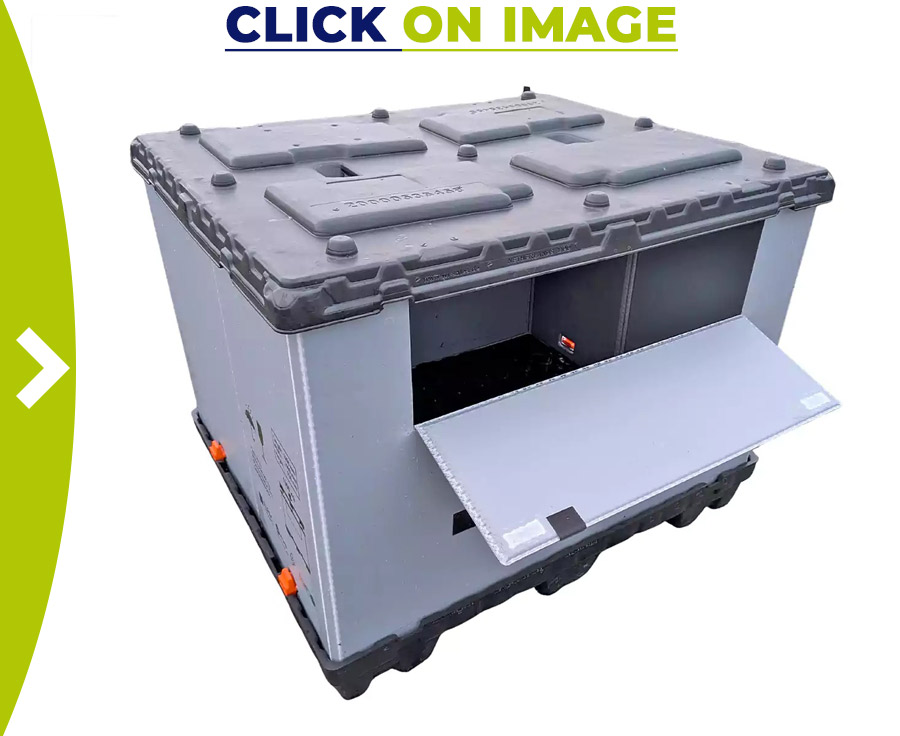
That shift explains the growing demand for plastic pallet boxes (PPB). These containers support safer storage, easier handling, and lower packaging waste.
Laut Grand View Research, the global reusable packaging market was valued at USD 135.8 billion in 2024. Analysts expect the market to reach USD 190.1 billion by 2030, growing at a CAGR of 5.9%.
Companies also focus more on grüne Logistik strategies. Reusable transport equipment helps reduce landfill waste and transport emissions.
Many warehouses now prefer Faltbare Kunststoff-Palettenboxen because they save storage space during return transport. Businesses looking for long-term logistics efficiency often compare reusable packaging systems before investing.
Below are the ten questions customers ask most often.
1. What Are Plastic Pallet Boxes Used For?
Plastic pallet boxes transport and store products safely across supply chains.
They are common in industries such as:
- Automotive production
- Food processing
- Elektronikfertigung und ESD-kritische Logistik
- Retail distribution
- Pharmaceutical logistics
These boxes protect goods from moisture, dirt, and handling damage.
Many models also support automated warehouse systems.
Unlike cardboard packaging, reusable containers survive repeated transport cycles. This reduces replacement frequency and lowers operational waste.
Industrial companies often use them for export shipments and internal warehouse movement.
2. Why Do Companies Choose Foldable Pallet Boxes?
Storage efficiency is one major reason. Empty Faltbare Kunststoff-Palettenboxen occupy far less space than rigid containers. This lowers return transport costs.
Several studies and just logistics practice show foldable containers (fold ratio of the pallet box) can reduce return volume by up to 70%.
Businesses gain multiple advantages:
- Lower warehouse storage requirements
- Reduced transport expenses
- Easier container handling
- Faster loading operations
Space savings matter especially in large distribution centers.
The longer the return transport is, the more benefit you get from foldable systems.
3. Are Plastic Pallet Boxes Durable?
Yes. High-quality plastic containers are designed for intensive industrial use.
Most pallet boxes resist:
- Moisture
- Chemikalien
- UV exposure
- Temperature changes
- Heavy loads
Some models remain operational for years under demanding conditions.
That durability supports cost control over time.
Research from Wikipedia and Industry studies show reusable transport packaging systems are designed for repeated long-term use. According to the Reusable Packaging Association report, reusable crates, totes, and industrial containers represent a multi-billion-dollar global logistics sector focused on long lifecycle transport assets.
Businesses also reduce product losses because reusable containers provide stronger protection than disposable alternatives.
What Makes Reusable Packaging Financially Attractive?
4. Can Reusable Packaging Lower Logistics Costs?
Many companies initially focus only on purchase price. However, long-term costs matter more.
Reusable packaging often lowers operational expenses over several years.
Savings usually come from:
- Fewer packaging replacements
- Lower waste disposal costs
- Reduced product damage
- Improved warehouse organization
A report by logistics analysts at Deloitte found reusable transport packaging can lower total packaging expenses by up to 30% in some industries.
Plastic pallet boxes also improve transport stability. Better stacking reduces freight damage and handling delays.
This creates additional savings throughout the supply chain.
5. Are Plastic Pallet Boxes Environmentally Friendly?
Sustainability now influences many purchasing decisions.
Reusable packaging supports circular economy goals because containers stay in use much longer.
Single-use packaging creates large amounts of industrial waste every year. Reusable systems reduce that burden significantly.
Several environmental advantages include:
- Lower landfill waste
- Reduced raw material consumption
- Fewer packaging replacements
- Lower transport emissions
Many European businesses now include reusable packaging in their ESG strategies.
The European Union continues encouraging waste reduction through sustainable logistics policies.
That trend supports growing interest in grüne Logistik solutions.
6. How Hygienic Are Plastic Pallet Boxes?
Hygiene matters greatly in food and pharmaceutical industries.
Plastic containers usually offer smooth internal surfaces. This makes cleaning easier.
Unlike wooden packaging, plastic does not absorb moisture easily.
Many pallet boxes support:
- Pressure washing
- Chemical cleaning
- Closed-loop hygiene systems
- Temperature-controlled logistics
This helps businesses meet strict safety standards during transportation and storage.
How Do Companies Choose the Right Pallet Box?
7. What Load Capacity Do Plastic Pallet Boxes Support?
Load capacity depends on the box design and materials used.
Heavy-duty models often support several hundred kilograms.
Businesses should evaluate:
- Static load requirements
- Dynamic transport loads
- Stacking conditions
- Forklift handling frequency
Choosing the wrong container may increase product damage risks.
Warehouse automation systems also influence container selection.
Industrial users often test packaging systems before large-scale implementation.
8. Are Foldable Pallet Boxes Suitable for International Shipping?
Yes. Many companies use them across international supply networks.
Foldable systems help reduce reverse logistics expenses after delivery.
Export businesses especially value:
- Better space utilization
- Strong product protection
- Lower empty return costs
- Easier storage management
Reusable packaging also simplifies handling at distribution hubs.
That efficiency becomes important during global supply chain disruptions.
9. How Long Do Plastic Pallet Boxes Last?
Service life depends on usage conditions.
High-quality containers often remain operational for many years.
Several factors affect durability:
- Transport frequency
- Exposure to chemicals
- Storage conditions
- Handling quality
Some industrial users report container lifespans exceeding ten years.
That long-term reliability improves return on investment.
Companies managing closed-loop logistics systems benefit most from durable reusable packaging.
10. Where Can Businesses Find Reliable Plastic Pallet Boxes?
Supplier experience matters greatly.
Businesses should evaluate product quality, container availability, and logistics expertise before purchasing.
Many buyers also compare:
- Folding mechanisms
- Repair possibilities
- Delivery capacity
- Industry certifications
European companies often work with specialized packaging suppliers to improve operational efficiency.
Zamko B.V. offers reusable transport packaging solutions for multiple industries across Europe.
Additional product information is available through the Zamko pallet box section.
Businesses can also follow updates on the official Zamko LinkedIn page.
Plastic Pallet Boxes Continue Transforming Industrial Logistics
Supply chains require durable and efficient packaging systems. Reusable containers help companies improve storage, transportation, and sustainability performance.
At the same time, Faltbare Kunststoff-Palettenboxen reduce warehouse pressure and optimize reverse logistics operations.
Businesses investing in reusable packaging often lower long-term logistics costs while supporting green logistics strategies.
Companies seeking more information about plastic pallet boxes and reusable transport systems can contact Zamko B.V. Contact Page or call +31 40 711 47 17.
Inhaltsverzeichnis
Umschalten auf