Wat kunt u verwachten van deze gids
Voor veel industriële bedrijven blijven de transportkosten stijgen door de brandstofprijzen, het tekort aan arbeidskrachten en de toenemende complexiteit van de logistiek. Eén belangrijke kostenfactor wordt echter vaak over het hoofd gezien: het verpakkingssysteem dat wordt gebruikt om producten te vervoeren.
Returnable transport packaging offers a practical way to improve transport efficiency while reducing long-term logistics costs. Instead of discarding packaging after a single shipment, reusable systems allow containers to be returned, reused, and circulated across multiple transport cycles. Among collapsible formats, the sleeve pack system is the dominant choice in European automotive and industrial supply chains.
Deze gids legt uit:
- wat retouremballage is
- hoe verpakking een directe impact heeft op transportkosten
- hoe opvouwbare systemen de transportefficiëntie verbeteren
- hoe inkoopteams herbruikbare verpakkingen evalueren
Wat is een retouremballage?
Definitie:
Herbruikbare transportverpakkingen zijn herbruikbare industriële verpakkingen die ontworpen zijn voor herhaalde logistieke cycli in plaats van voor eenmalig gebruik.
In plaats van weggegooid te worden na levering, wordt de verpakking teruggestuurd naar de verzender, hergebruikt, indien nodig gerepareerd en in omloop gehouden.
Typische voorbeelden zijn:
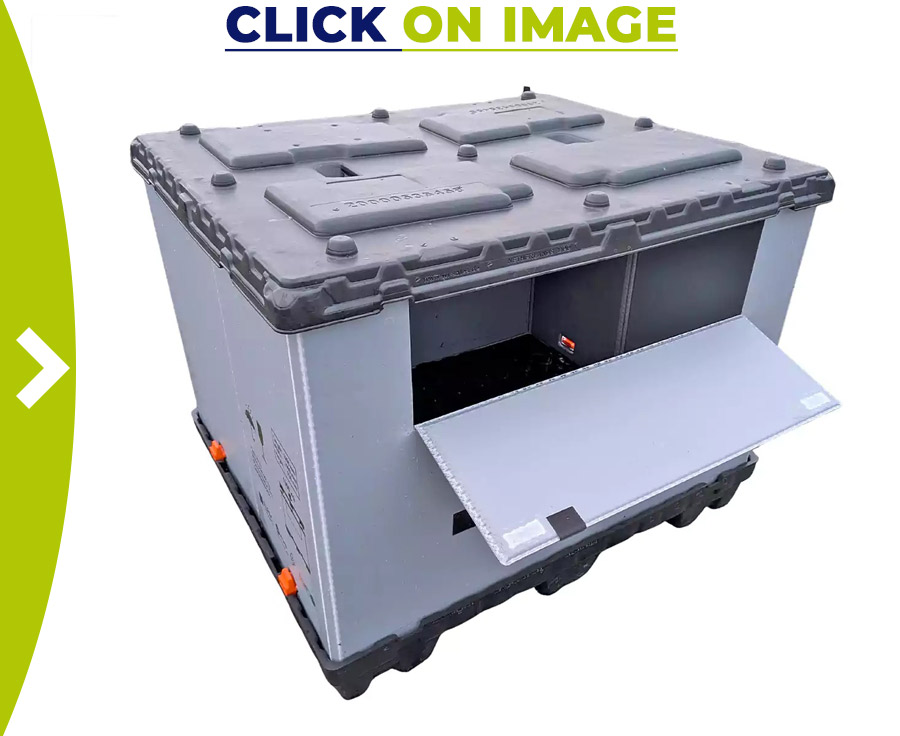
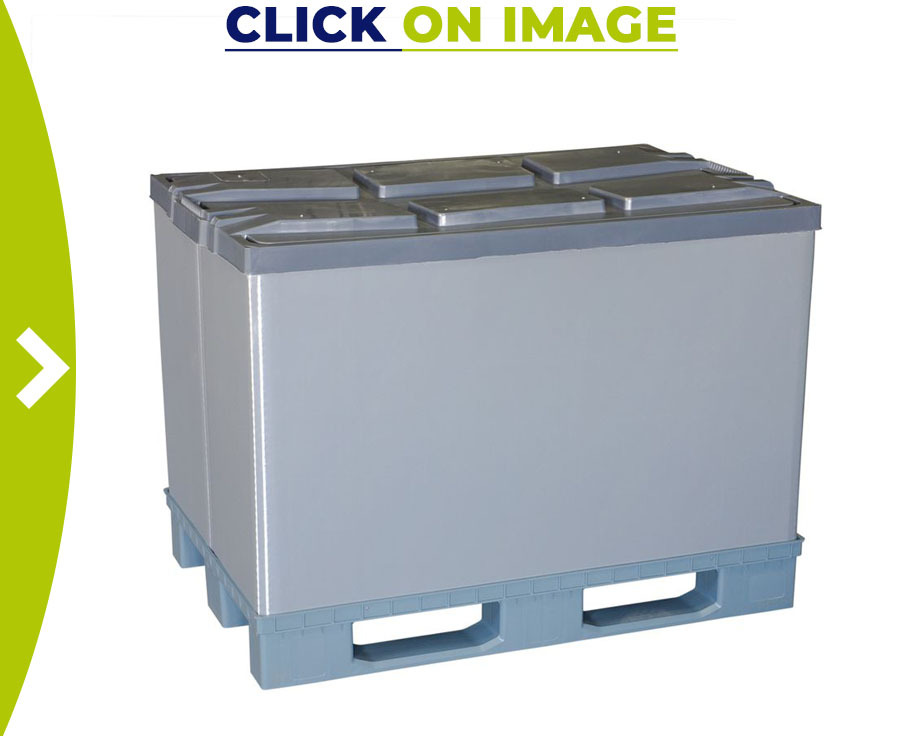
- palletdozen met hoes verpakken
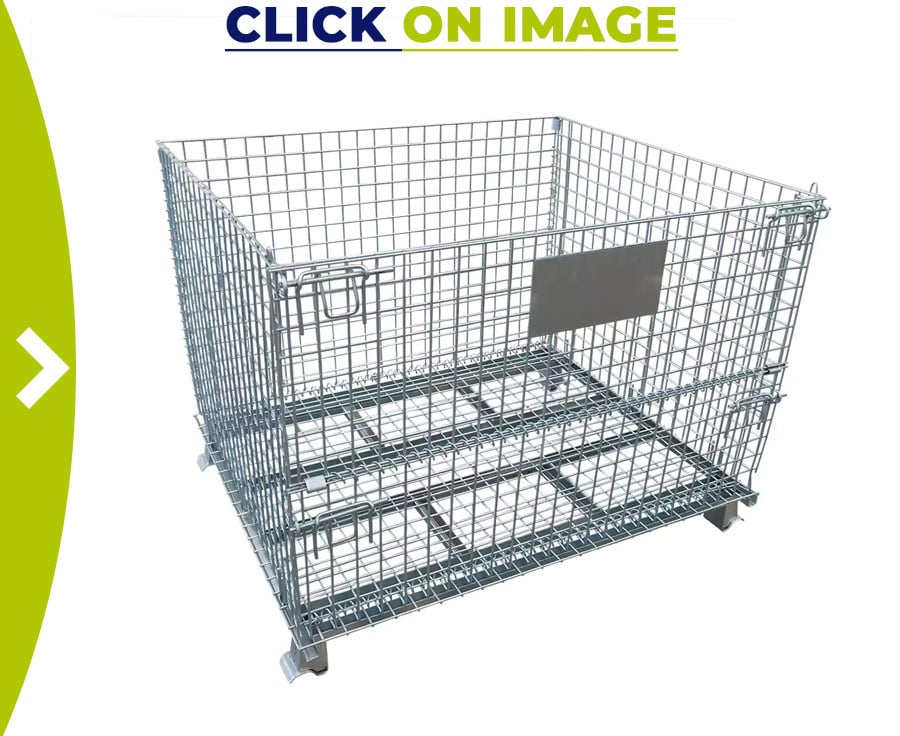
- gaascontainers,
- herbruikbare multiplex kratten
- containers voor kunststof pallets
- metalen rolblokken
Het belangrijkste voordeel is niet alleen duurzaamheid. Het belangrijkste voordeel is een verbeterde logistieke efficiëntie bij herhaalde zendingen.
Hoe heeft verpakking een directe impact op transportkosten?
Verpakkingen zijn van invloed op verschillende kostenfactoren in de industriële logistiek.
- Leeg retourtransport
Wanneer verpakkingen niet kunnen worden samengevouwen, kunnen vrachtwagens grote hoeveelheden lege containers vervoeren.
Opvouwbare verpakkingen verminderen dit volume aanzienlijk.
- Vrachtwagengebruik
De afmetingen van de verpakking bepalen hoeveel eenheden er op een vrachtwagen of container passen.
Een beter verpakkingsontwerp kan de efficiëntie van het laden verhogen.
- Magazijnopslag
Lege containers vereisen opslagruimte tussen transporten.
Inklapbare systemen verminderen de voetafdruk van lege verpakkingen.
- Efficiënte verwerking
Gestandaardiseerde containers vereenvoudigen het hanteren, stapelen en opslaan met vorkheftrucks.
- Productbescherming
Een betere verpakking vermindert productschade tijdens transport.
- Levenscyclus van verpakking
Herbruikbare verpakkingen spreiden hun kosten over meerdere logistieke cycli.
Waar komen logistieke kosten vaak voor?
Inkoopteams richten zich vaak op de inkoopprijs van verpakkingen. De grootste logistieke kosten ontstaan echter meestal ergens anders.
Kostenfactor | Hoe verpakking de kosten beïnvloedt |
Leeg retourtransport | Opvouwbare verpakking vermindert ruimte |
Efficiënt vervoer | Beter stapelen verhoogt het belastinggebruik |
Magazijnopslag | Inklapbare containers verminderen ruimte |
Behandelingstijd | Gestandaardiseerde verpakking versnelt de werkzaamheden |
Productschade | Beschermende verpakking vermindert verliezen |
Inzicht in deze factoren helpt inkoopteams bij het evalueren van de totale eigendomskosten, en niet alleen de aankoopprijs.
Hoe verbeteren opvouwbare systemen de transportefficiëntie?
Een van de grootste voordelen van herbruikbare verpakkingen is de mogelijkheid om leeg transportvolume te verminderen.
Definitie: Vouwverhouding
Het vouwverhouding beschrijft hoeveel ruimte er wordt bespaard wanneer een container wordt ingeklapt voor retourtransport.
Sommige herbruikbare verpakkingssystemen verminderen het volume van leeg transport meerdere keren.
Type verpakking | Leeg transport efficiëntie |
Palletdozen in hulzen verpakken | Hoog |
Gaascontainers / gaas palletkooien | Gemiddeld tot hoog |
Harde plastic palletboxen | Laag |
Houten kratten | Laag |
De mogelijkheid om containers in te klappen maakt herbruikbare verpakkingen bijzonder aantrekkelijk voor gesloten logistieke stromen.
Hoe evalueren inkoopteams herbruikbare verpakkingen?
Herbruikbare verpakkingssystemen zijn het meest effectief als transportroutes vaak worden herhaald.
Typische voorbeelden zijn:
- transport van leverancier naar assemblage
- transport van fabriek naar magazijn
- interne fabriekslogistiek
- verdeling tussen productielocaties
Als er regelmatig zendingen plaatsvinden tussen dezelfde locaties, wordt een retouremballage economisch aantrekkelijk.
Standaardisatie verbetert de efficiëntie van de toeleveringsketen
Een ander belangrijk voordeel van herbruikbare verpakkingen is standaardisatie.
Het gebruik van consistente containermaten voor verschillende operaties vereenvoudigt:
- transportplanning
- magazijnopslag
- voorraadbeheer
- verpakkingsinkoop
- omgekeerde logistiek
Met standaard palletafmetingen kunnen bedrijven het stapelen optimaliseren en de operationele complexiteit verminderen.
Soorten retouremballage die in de industrie worden gebruikt
Several reusable packaging systems are commonly used in industrial logistics.
Deze omvatten:
- palletdozen met opvouwbare hoes
- palletkooien met stalen gaas
- herbruikbare transportkratten van multiplex
Elk systeem heeft zijn eigen sterke punten, afhankelijk van het product en de logistieke stroom.
Bijvoorbeeld:
- sleeve pack-systemen worden veel gebruikt in toeleveringsketens van auto's
- palletboxen van gaasdraad worden vaak gebruikt voor zware industriële onderdelen
- herbruikbare kratten van multiplex bieden sterke bescherming voor kwetsbare onderdelen
Een gedetailleerde vergelijking van deze systemen wordt in het volgende artikel uitgelegd.
Belangrijkste opmerkingen
Retourverpakkingen kunnen de logistieke kosten aanzienlijk verlagen als ze in de juiste transportstromen worden gebruikt.
De belangrijkste voordelen zijn:
- gereduceerd leeg transportvolume
- beter gebruik van trucks
- lagere opslagvereisten in magazijnen
- verbeterde verwerkingsefficiëntie
- minder productschade
- lagere verpakkingskosten per logistieke cyclus
Voor inkoopteams die herhaaldelijke transportroutes beheren, kunnen herbruikbare verpakkingssystemen grote besparingen op lange termijn opleveren.
Inhoudsopgave
Schakel