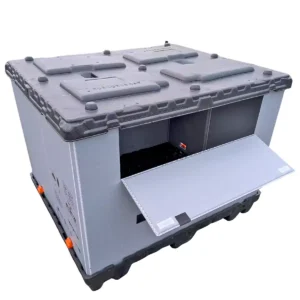
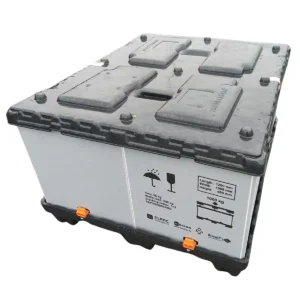
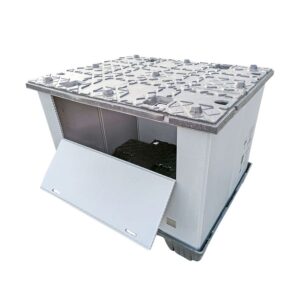
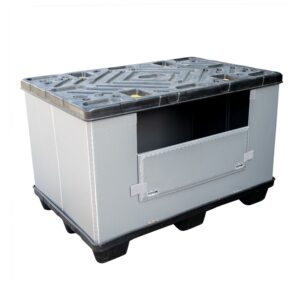
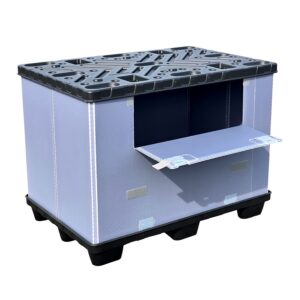
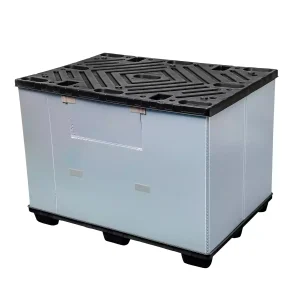
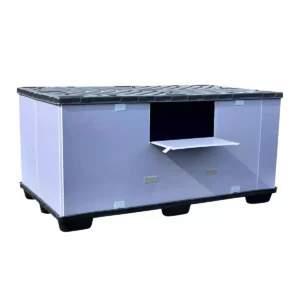
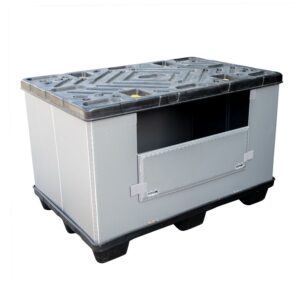
Tussen de verschillende soorten kunststof palletboxen, sleeve pack systemen gidszijn vaak de meest efficiënte oplossing voor retouremballage vanwege hun hoge vouwbaarheid en lage retourtransportkosten. Lees meer in onze Gids voor mouwenpakket systemen
Het kiezen van de juiste transportverpakking hangt sterk af van uw logistieke stroom, de hanteringsvereisten en retoursystemen. Hieronder vindt u een kort overzicht om u te helpen de meest geschikte optie te identificeren op basis van uw operationele scenario.
Situatie
Beste optie
Grote volumes + retourlogistiek
Sleeve Pack Systemen
Gemengde behandeling + flexibiliteit
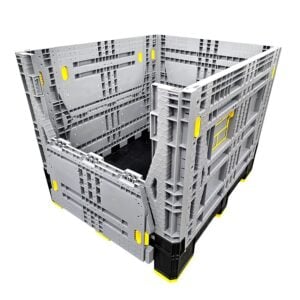
Opvouwbare palletboxen
Veelgestelde vragen over plastic palletboxen:
Wat is het verschil tussen sleeve packs en opvouwbare plastic palletboxen?
Sleevepacks maken gebruik van een modulaire constructie van drie delen – pallet, sleeve en deksel – en worden meestal gekozen wanneer de efficiëntie van het retourtransport de belangrijkste prioriteit is. Opvouwbare plastic palletboxen hebben geïntegreerde opvouwbare wanden en worden vaak verkozen wanneer snellere handling en een hogere ingebouwde stijfheid belangrijker zijn. Voor geautomatiseerde systemen moeten beide formaten worden gekozen met sledes om stabiele transportband- en robothandling te garanderen.
2. Welk type plastic palletbox is meestal de betere langetermijninvestering?
Dat hangt af van het logistieke model en niet alleen van de aankoopprijs. Sleevekits bieden vaak de sterkste prestaties per cyclus bij retourlussen met een hoog volume, omdat ze compacter inklappen. Opvouwbare plastic palletboxen kunnen de betere keuze zijn wanneer bedrijven waarde hechten aan snellere montage, eenvoudigere dagelijkse handling en robuust herhaald gebruik. In automatisering zijn skid-versies voor beide de juiste specificatie.
3. Zijn deze plastic palletboxen geschikt voor geautomatiseerde of doorstroomoperaties?
Ja. Zowel sleeve packs als opvouwbare plastic palletboxen worden gebruikt in geautomatiseerde logistiek, maar het exacte basisontwerp is van belang. Sleeve packs werken goed in gestandaardiseerde, repetitieve stromen, terwijl opvouwbare plastic palletboxen vaak worden gekozen voor gemengde operaties die nog steeds een stabiele geometrie vereisen. De belangrijkste regel is eenvoudig: kies skid-gebaseerde versies voor geautomatiseerde systemen, geen vlakke varianten.
4. Hoeveel ruimte kunnen inklapbare plastic palletboxen besparen bij opslag en retourtransport?
Ruimtebesparing is afhankelijk van het systeemontwerp. Sleeve packs bereiken meestal de hoogste vouwefficiëntie en dus de grootste besparingen bij retourtransport en lege opslag. Opvouwbare plastic palletboxen verminderen het volume ook aanzienlijk, maar meestal minder sterk dan sleeve packs. Daarom worden sleeve packs vaak verkozen bij retourcycli over lange afstanden.
5. Wanneer schakelen bedrijven over van kartonnen of houten verpakkingen naar kunststof paviljoenboxen?
Bedrijven schakelen meestal over wanneer verpakkingen veelvuldig worden hergebruikt, productbescherming consistenter moet zijn en er retourlogistiek beschikbaar is. Onder die omstandigheden kunnen herbruikbare plastic palletboxen de terugkerende verpakkingskosten verlagen, de hanteringsconsistentie verbeteren en de afvalproductie verminderen in vergelijking met eenmalige materialen.
6. Kunnen sleeve packs en opvouwbare plastic palletboxen op één locatie of in één logistiek systeem worden gecombineerd?
Ja. Veel bedrijven gebruiken sleeve packs voor grote volumes standaardstromen en inklapbare plastic palletboxen voor
productgroepen die snellere handling of een andere boxstructuur vereisen. Deze gemengde aanpak kan goed werken,
mits de specificatie goed wordt beheerd. Waar automatisering bij betrokken is, selecteer skid-versies over de
betreffende vloot om de handlingprestaties consistent te houden.