The Scale of Bottle Cap Transport
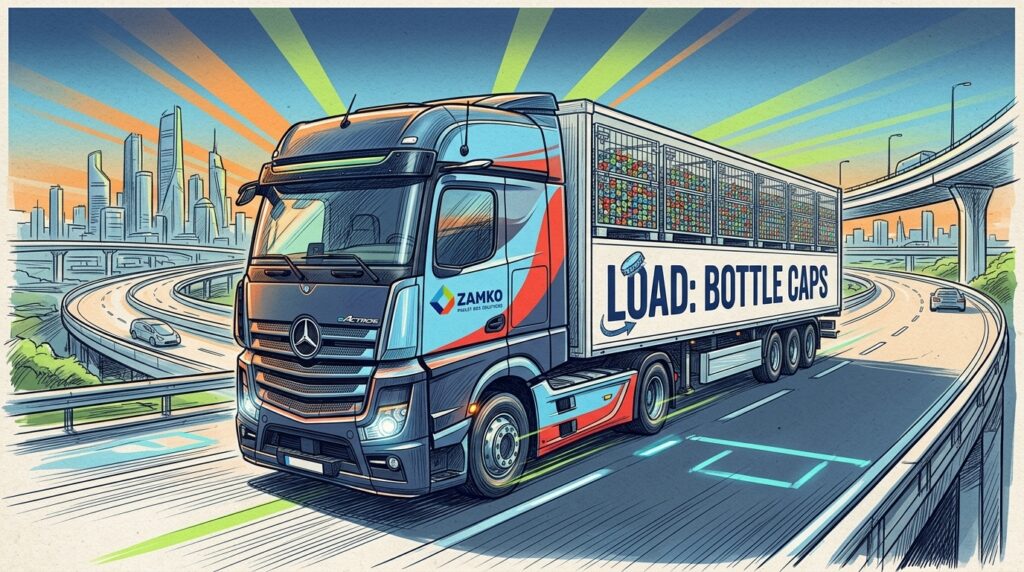
Have you ever considered the transport journey of a simple bottle cap? Billions of these small items travel across the globe daily. Their transport requires precision and highly efficient storage systems. Bottling plants consume caps at staggering rates. A single facility might use millions of units per week. Transporting them efficiently is a major logistical hurdle. Companies must maximize space while minimizing damage. The core issue lies in the bulk density. Caps are lightweight but take up significant volume. This makes optimizing truck space very difficult. Standard cardboard boxes often fail under heavy stacking. They bulge, tear, or collapse during transit. This leads to product loss and costly contamination. The industry demands stronger solutions for bulk transport.
What Makes Cap Transportation Unique?
Q: Why can we not use standard logistics methods?
A: Traditional methods rely on single use containers. These generate massive waste and lack structural integrity. Caps are prone to crushing under heavy loads. When stacked high, the bottom layers face immense pressure.
Q: How does hygiene play a role?
A: Food safety regulations mandate clean transport. Dust or moisture contamination renders entire batches unusable. Packaging must offer protection while allowing adequate ventilation.
Q: What is the impact of return logistics?
A: Empty containers cost money to move. Collapsible designs are therefore essential for logistics profitability.
The Shift Toward Reusable Packaging
A significant trend is reshaping the logistics sector globally. Companies are abandoning disposable materials entirely. They are adopting reusable packaging solutions for everyday transport. This shift is driven by environmental and economic factors. The European Union has strict regulations regarding packaging waste. Businesses must comply quickly or face hefty fines. Reusable containers offer a lower total cost of ownership. They withstand hundreds of trips without degrading. This reliability is crucial for continuous supply chains. Organizations see the immediate benefits of waste reduction. They also appreciate the improved handling efficiency. Transitioning to robust systems is a smart long-term investment.
Analyzing the Economic Data
Understanding the financial impact requires looking at the numbers. Independent research highlights the efficiency gains of circular logistics. Below is a summary of projected market growth and savings.
|
Metric |
2023 Value |
2030 Projection |
Source Authority |
|
Global Reusable Packaging Market |
$112 Billion |
$175 Billion |
|
|
Supply Chain Cost Reduction |
Baseline |
Up to 25% savings |
McKinsey Supply Chain Insights |
|
Carbon Footprint Reduction |
Baseline |
60% decrease per trip |
EU Circular Economy Reports |
This data illustrates a clear upward trajectory. The initial capital expenditure is offset by operational savings. Companies adopting these methods gain a significant competitive advantage.
Comparing Material Performance
Choosing the right material dictates your logistical success. You must evaluate the lifespan of your storage units. Short lifespans lead to constant and unpredictable replacement costs. Metal solutions outlast their plastic or cardboard counterparts significantly. They offer better protection for high volume operations. Let us look at a direct performance comparison between common options.
| Feature | Mesh Pallet Boxes | Standard Cardboard | Rigid Plastic Bins |
| Expected Lifespan | 5 to 10 years | 1 trip | 1 to 2 years |
| Weight Capacity | Up to 1000 kg | Under 500 kg | Up to 800 kg |
| Weather Resistance | Excellent | Poor | Moderate |
This table shows why steel is becoming the industry standard. It handles the rigorous demands of global supply chains effortlessly.
Why Mesh Pallet Boxes Are the Ideal Solution
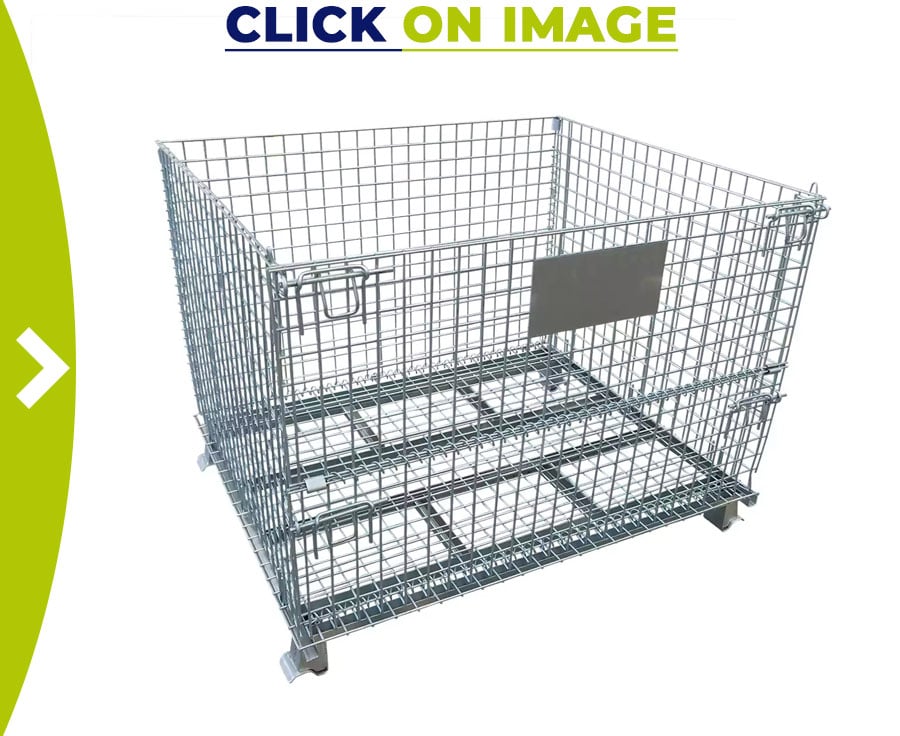
You need specific equipment to handle high volumes safely. Mesh pallet boxes provide the perfect balance of strength and visibility. Workers can instantly see the inventory levels. This reduces the time spent checking stock manually. The open wire design prevents dust accumulation completely. It also allows for easy cleaning and sterilization. These units are built to carry heavy dynamic loads. They do not buckle under the pressure of tight warehouse stacking. Furthermore, they are fully compatible with standard forklifts. This ensures seamless integration into existing automated systems. A mesh wire cage is highly versatile. It adapts to various stages of the production cycle.
Key Advantages of Meshwire Cages
Let us break down the specific operational benefits.
- High Load Capacity: They support substantial weight without structural failure.
- Space Optimization: Many models are foldable when completely empty.
- Visual Management: Inventory checks become fast and highly accurate.
- Long Lifespan: Galvanized metal resists rust and physical wear.
- Hygiene Control: Easy to wash and dry between production cycles.
These features solve the primary challenges of cap transport. They keep the product safe and lower the transport overhead.
Maintaining Strict Hygiene Standards
Food and beverage logistics demand absolute cleanliness. Contaminated bottle caps ruin entire production batches instantly. Mesh pallet boxes offer superior hygiene control for sensitive components. Their design prevents debris from settling inside the container. You can integrate them directly into cleanroom environments.
-
Ventilation: Open grids allow constant airflow to prevent moisture buildup.
-
Drainage: Liquids pass straight through the base during pressure washing.
-
Sterilization: Galvanized steel withstands high temperature chemical cleaning easily.
-
Inspection: Quality control staff can spot contaminants without emptying units.
Hygiene is no longer a vulnerability when using the correct equipment.
Ensuring Maximum Durability with Steel
Plastic containers have a limited lifespan in harsh environments. They crack in cold weather and degrade under UV light. Steel Pallet Cages offer an entirely different level of endurance. Steel does not warp or shatter upon physical impact. It provides absolute protection for the delicate plastic components inside. Dropping a full container is a common warehouse accident. A steel unit absorbs the shock effectively and safely. The contents remain secure and completely uncontaminated. Steel Pallet Boxes also handle temperature extremes effortlessly. They can sit in freezing loading docks or hot transport trailers. Their structural integrity remains completely unchanged. This makes them the ultimate asset for heavy industrial use.
Implementing a Circular Logistics Model
Q: How do you start the transition?
A: Begin by auditing your current single use expenditure. Calculate the hidden costs of damaged goods and disposal fees.
Q: What is the ROI timeline?
A: Most facilities see a return on investment within 18 months. The exact time depends on the trip frequency.
Q: Are there operational disruptions during implementation?
A: No. Standardized dimensions mean they fit existing warehouse racking. Forklift operators require no additional technical training.
You simply replace the old boxes with the new equipment. The workflow becomes faster and much cleaner.
Optimizing the Return Journey
Transporting empty air is a massive waste of resources. This is where foldable designs prove their true worth. A collapsed meshwire cage takes up a fraction of its original volume. You can load four times more empty units onto a truck. This slashes the return freight costs dramatically. It also lowers the total carbon emissions of your operation. Efficient reverse logistics are the key to a successful reusable system. You must track the assets and ensure their prompt return. Many companies use RFID tags attached to the metal frames. This provides real-time visibility across the entire network.d
Warehouse Space Management
Space is a premium commodity in any industrial facility. Storing bulky empty containers wastes valuable square footage. Modern storage equipment must be highly adaptable to space constraints. Collapsible esigns offer a brilliant solution to this problem. When not active, they fold down flat for dense storage. You can reclaim vast areas of your warehouse floor. This allows you to expand production lines without renting new buildings. The density of folded metal units is incredibly high. You can stack them securely out of the way. When a new shipment arrives, they deploy in seconds.
Enhancing Warehouse Safety Protocols
Worker safety is paramount in heavy industrial settings. Collapsing cardboard boxes create severe falling hazards. Stacking unstable containers puts your staff at serious risk. Upgrading to steel solutions mitigates these dangerous workplace conditions immediately. Management must prioritize equipment that protects both inventory and personnel.
-
Secure Stacking: Interlocking foot designs prevent tipping at great heights.
-
Safe Handling: Standardized bases ensure stable transport on any forklift.
-
Impact Resistance: Steel frames protect workers from unexpected load shifts.
-
Visibility: Operators can see through the cage while driving machinery.
Fewer accidents lead to better morale and lower insurance premiums.
Ensuring Supply Chain Continuity
A broken container stops the entire workflow immediately. Spilled caps halt production lines and cause massive delays. You cannot afford these interruptions in a high volume environment. Reliability is the most crucial metric for logistics managers. Equipment must perform flawlessly day after day. Metal infrastructure provides this necessary peace of mind. It removes the uncertainty from your daily transport operations. You know exactly how much weight each unit can hold safely. There are no surprises during transit or unloading procedures. Consistent performance guarantees that your bottling plant never starves for components.
Environmental Compliance and ESG Goals
Corporate responsibility is a major focus for modern enterprises. Reducing carbon footprints is now a primary business objective. Single use logistics generate massive amounts of landfill waste annually. Regulatory bodies are punishing companies that fail to modernize. Adopting sustainable practices protects your brand reputation. It also shields you from upcoming environmental taxation. Heavy duty metal containers are fully recyclable at the end of their life. They represent a truly circular economic model. You extract maximum value over years of constant use. Then, the raw material returns directly to the supply chain.
Comparing Costs Over Time
Q: Is the initial purchase price higher than cardboard?
A: Yes. Metal equipment requires a larger upfront capital expenditure.
Q: When do the financial benefits begin?
A: The savings start accumulating on the very first return trip.
Q: What expenses are eliminated completely?
A: You no longer buy replacement boxes or wooden pallets. You also eliminate the labor costs associated with assembling disposable packaging.
Over five years, the total cost difference is staggering. Metal equipment becomes a revenue protecting asset rather than a sunk cost.
Adapting to Global Shipping Standards
International transport involves complex regulations and specific dimensional requirements. Your containers must fit perfectly inside standard shipping units. Sea freight containers have strict internal volume limits. European trucks have specific floor space configurations. Using standardized metal boxes ensures maximum cubic utilization. You fit more product onto every single load. This reduces the number of trucks needed for massive orders. Fewer trucks mean lower fuel consumption and cheaper freight bills. Global standardization also speeds up customs inspections and cross border transfers.
Optimizing Cap Transportation with ZAMKO
The transition to efficient beverage logistics requires the right strategic partner. Optimizing the transport of small components is critical for modern supply chains. The shift from disposable materials to robust, multi-trip solutions is undeniable. ZAMKO B.V. provides the specialized equipment needed to transform your daily operations. Our heavy duty mesh wire cage systems eliminate product loss and protect your inventory. These units allow for superior stacking and maximize every inch of your warehouse. Relying on high quality equipment removes the uncertainty from your material handling. It also aligns with global sustainability targets and reduces long-term operational costs. Finding a reliable logistics equipment partner is the first step toward better efficiency.
We offer extensive expertise in circular packaging for international markets. Our team helps you select the exact specifications for your bottling facility. You can explore our full range of reusable packaging to find your ideal fit. We ensure that your investment leads to measurable improvements in freight expenses. Do not let outdated packaging methods slow down your production lines. Discover how our durable solutions can transform your material handling today. You can learn more about our specific products by visiting our website. Alternatively, you can speak directly with our logistics experts by calling +31 40 711 47 17.
Table of Contents
Toggle